
Suspect Nursing Home Abuse?
Chicago Nursing Home Abuse Lawyer Law Group
Our Chicago nursing home abuse attorneys are ready to help. Let us investigate the abuse, identify responsible parties, and fight for the compensation your loved one deserves.
Chicago Nursing
Home Abuse Lawyer Law Group
Families have a lot riding on the nursing home facilities, giving their parents, grandparents, and relatives the benefit of the doubt that they’ll be taken care of with compassion and attention.
But when that faith is shattered, the results can be absolutely devastating. Nursing home abuse and neglect can leave vulnerable residents in a whole world of hurt, dealing with physical injuries, emotional scars, financial exploitation, and a loss of dignity that nobody should ever have to go through.

120+
Cases Solved
130+
Happy Clients
3
Regional Offices
45+
Legal Associates
ADVOCATING FOR THE VULNERABLE
Holding Negligent Care Facilities Accountable
The Hidden Reality
The harsh reality is that many cases of nursing home abuse just get swept under the rug for weeks, months or even years. What look like warning signs are often dismissed as part of aging and, as a result, the mistreatment just keeps on happening while the residents are either too scared or unable to speak up for themselves.
Your Legal Options
The good news is that families aren't left with no options. Our Chicago nursing home abuse attorneys are all too familiar with these situations and are ready to roll up their sleeves to help investigate your concerns, gather any evidence you might need, identify who's responsible, and then take those people to task for their negligence by filing a nursing home abuse lawsuit.
Take Action Today
If you think your loved one has suffered at the hands of nursing home abuse or neglect, don't just sit back and wait for things to get worse.
Give Chicago Nursing Home Abuse Law Group a call at (312) 555-8742. We’re here 24/7 to have a no-cost consultation to discuss your case and go over your options. No Fee Unless We Win.
What is Nursing Home Abuse?
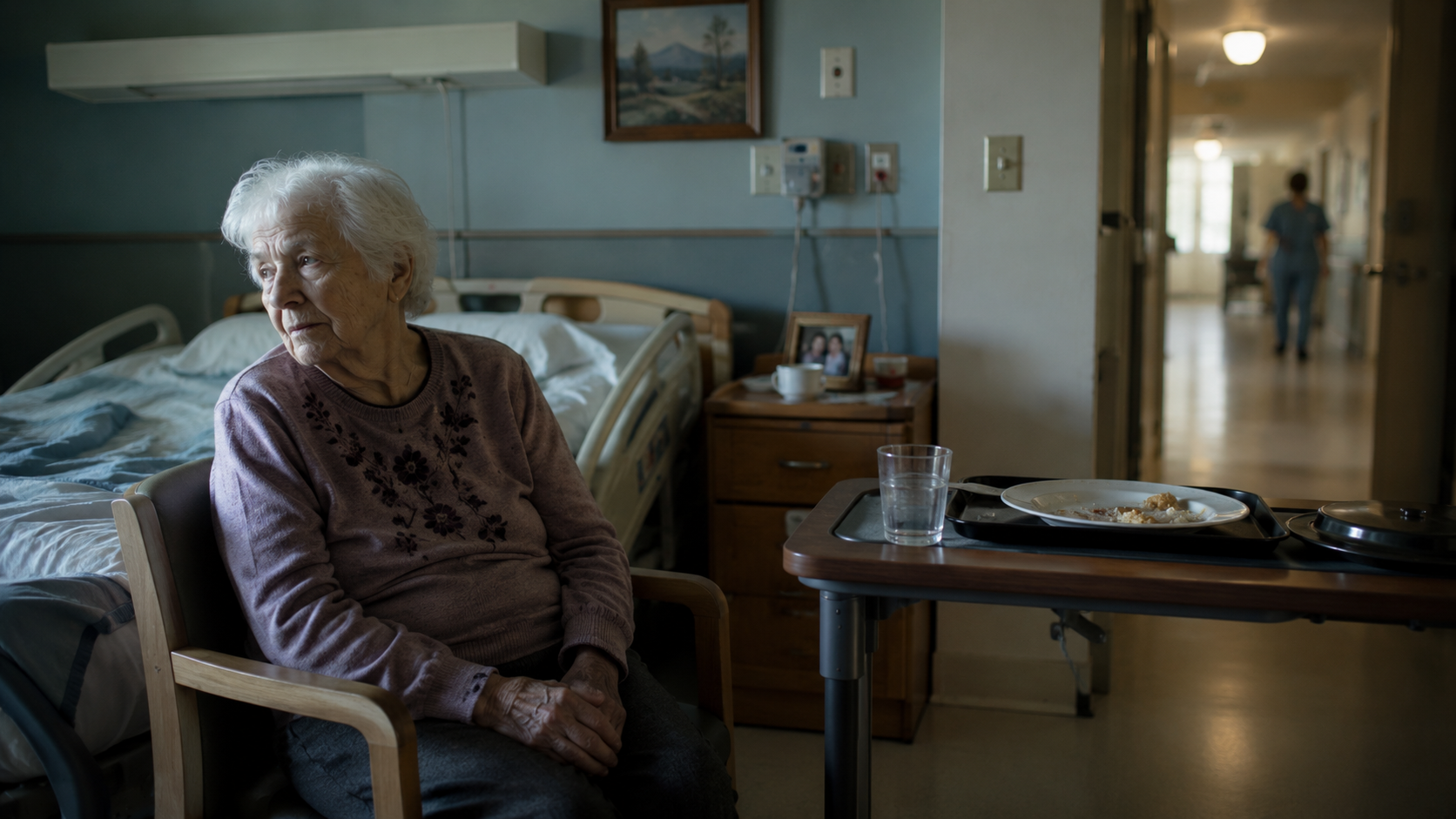
Nursing home abuse is a form of elder abuse that happens when a resident gets hurt because the people looking out for them deliberately take actions that cause harm. That can take many forms, including physical violence, emotional torment, sexual misconduct, and outright financial exploitation.
A lot of the time, the effects of abuse go way deeper than just visible injuries, and victims often end up suffering mental harm, fear, anxiety, depression, and a loss of trust that can really affect their quality of life.
The Difference Between
Nursing Home Abuse and Neglect
While these terms get thrown around a lot together, they’re not the same thing.
Abuse is when someone does something deliberately that causes harm to a nursing home resident. Examples include hitting a resident, making threats, stealing from them or deliberately withholding care they need.
Neglect, on the other hand, happens when a facility or caregiver just doesn’t provide the level of care a resident needs. This could mean failing to feed them properly, ignoring their medical needs, ignoring personal hygiene, or allowing preventable injuries like bed sores and falls to happen.
Whether the harm is because of some deliberate bad behaviour or just careless inaction, both abuse and neglect can have really serious consequences, including physical harm, for nursing home residents and their loved ones.

OUR PRACTICE AREAS
The Types of Nursing Home Abuse Cases We Handle
Nursing home residents deserve to live in an environment where they’re treated with respect, dignity, and compassion. Sadly, some facilities just don’t meet those basic standards, resulting in abuse, neglect, and preventable injuries.Our Chicago nursing home abuse attorneys are familiar with all sorts of cases where caregivers, staff, administrators, and nursing home operators have let people down. Below are some of the most common forms of nursing home abuse and neglect that might lead to nursing home abuse claims.
Physical Abuse
This is when a resident gets hurt physically as a result of some form of intentional force or violence. Because a lot of nursing home residents are elderly, disabled, or medically vulnerable, even a small act of aggression can lead to serious injuries.
Hitting and Pushing
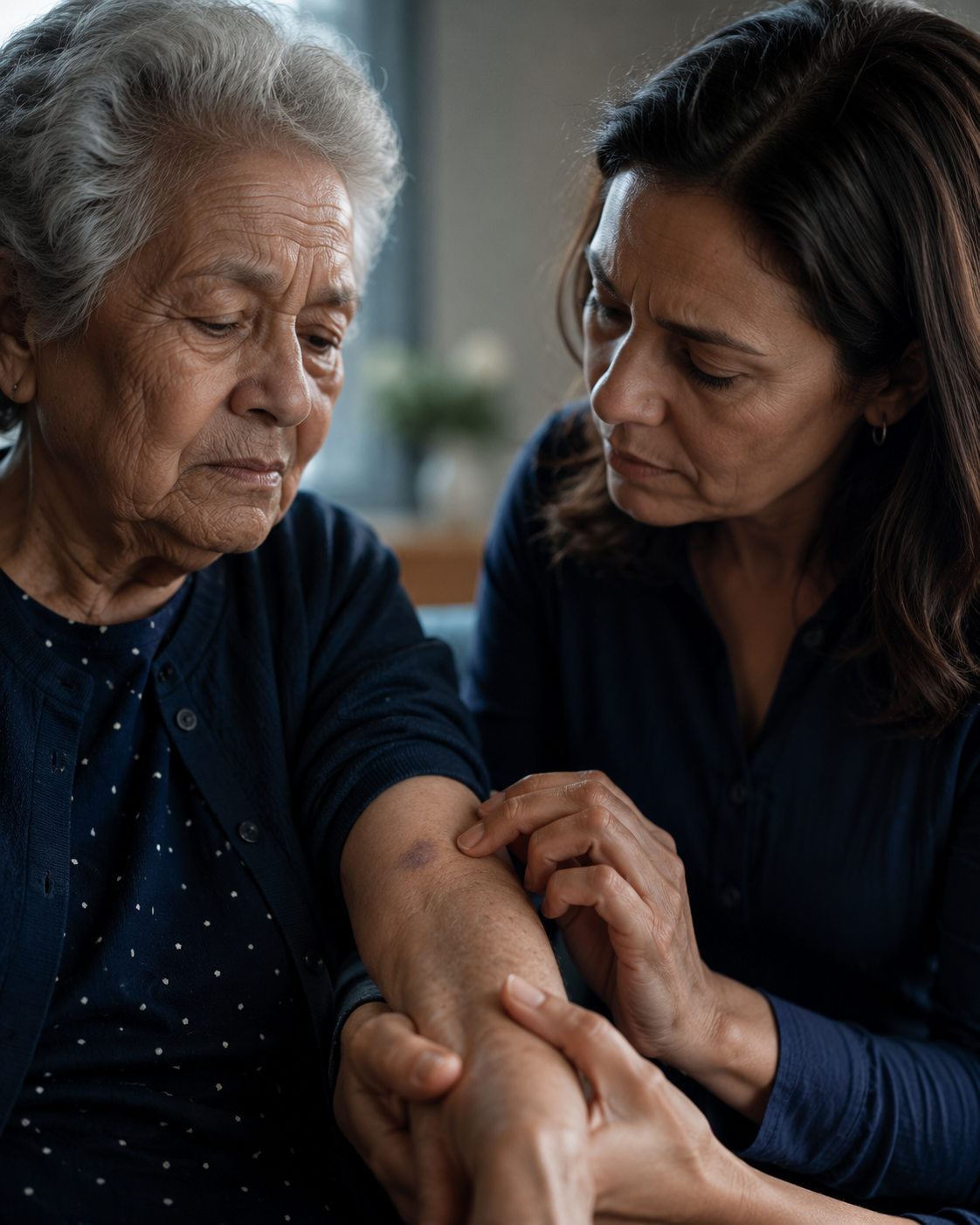
Residents may get struck, slapped, punched, kicked, or otherwise physically assaulted by staff members, caregivers, visitors, or even other residents. Physical abuse can result in bruises, cuts, broken bones, head injuries, and emotional trauma.
Emotional and Psychological Abuse
Not all abuse leaves visible injuries, emotional and psychological abuse, including mental abuse, can be just as damaging and cause long-term mental and emotional suffering.
Improper Restraints
Improper restraints may include tying residents to beds or chairs, restricting their movement when there's no medical reason to do so, or administering medications just to control their behaviour rather than to treat an actual medical condition. Using unnecessary restraints can cause physical injuries, emotional distress, a loss of mobility, and a lower quality of life.
Threats and Humiliation
Residents may be threatened with punishment, abandonment, loss of privileges or denial of care. Verbal abuse, ridicule, insults, and degrading treatment can strip residents of their dignity and self-worth. Staff members might mock physical limitations, cognitive impairments, or personal needs. Repeated humiliation can contribute to depression, social withdrawal, and declining mental health.
Isolation
Some residents are intentionally kept away from family members, friends, or other residents as a means of control or punishment. Isolation might involve restricting visits, limiting communication, or preventing participation in social activities.
Sexual Abuse
Sexual abuse is one of the most disturbing forms of nursing home misconduct. Elderly residents, especially those with physical or cognitive impairments, are often unable to protect themselves or report what has happened.
Resident-on-Resident Abuse
Nursing homes have a big responsibility to keep a close eye on their residents and make sure they're protected from harm. When they don't keep a close enough eye on residents who have a history of being aggressive, violent, or acting out inappropriately, then preventable attacks can happen. Unfortunately, it often comes down to not having enough staff on hand and poor oversight that leads to these problems.
Staff Misconduct
Caregivers, employees, contractors or anyone else who works for the nursing home can engage in some really terrible behaviour, such as unwanted sexual contact, harassment, exploitation or assault. The problem is that these victims are often some of the most vulnerable people in the nursing home, frail, elderly or with cognitive problems that make them more susceptible to abuse. Any kind of non-consensual sex at a nursing home is completely unacceptable and should be taken super seriously and looked into right away.
Financial Exploitation, Fraud & Theft
When someone in a position of power takes a resident's money or uses their financial info for their own gain, that's financial abuse. Residents may have their cash, jewellery, electronics or other personal items stolen, often because the thief knows the person is unlikely to notice it's gone or because they're struggling to report the theft. And it's not just theft, financial exploitation can also involve forging signatures, using coercion to change a resident's will or getting them to sign a fake contract for cash or property.
Neglect
Neglect is a big problem when caregivers just aren't providing the level of care that these people need to stay safe & healthy. It's not always a case of someone doing it on purpose, but the consequences can be just as bad as if they had done it on purpose.
Dehydration, Poor Nutrition & Poor Hygiene
When caregivers don't do enough to make sure residents get enough to eat or can't accommodate their dietary needs, it can lead to a host of serious health problems. Older adults are especially vulnerable to dehydration which can cause confusion, kidney problems, infections and hospitalisation. Residents who can't take care of themselves need some extra help with showering, brushing their teeth, getting dressed and staying clean, and failing to provide that can lead to infections, skin problems and all sorts of other issues.
Bedsores
Bedsores are basically a warning sign that something is going wrong. When residents are left sitting in one spot for too long without being moved, it can cause pressure ulcers, which can get infected and cause all sorts of pain and complications.
Medical Negligence
Medical negligence is when caregivers make mistakes with medication, like giving the wrong dose or mixing the wrong meds. It can also happen when they fail to provide treatment that the doctor ordered, ignore symptoms, or don't follow up on the care plan. And it gets even worse when nursing homes delay treating serious medical conditions or when they fail to respond when a resident is having a medical emergency. Delayed treatment can make things much worse and increase the chances of long term consequences or even death.
Take Immediate Action
If You Think Your Loved One is Being Abused, Seek Help Right Away If you have any reason to think that your loved one has been abused, neglected, or just plain mistreated, get in touch with a lawyer as soon as possible so they can protect them and preserve any evidence that might be important. Our team of Chicago nursing home abuse lawyers are here to help you figure out what went wrong and who is responsible. We're also here to get you the compensation and justice you deserve.
Call or text us at (312) 555-8742, and we’ll arrange a free consultation with one of our lawyers. They’re available 24/7 to take your call and answer any questions you might have.
What to Look Out For:
Signs Your Loved One May Be Experiencing Abuse
Spotting nursing home abuse isn’t always easy. Victims may be too scared to report things because they’re afraid of being retaliated against, or maybe they just don’t have the words to explain what’s happening. Some residents might not even understand what’s going on or be able to put it into words.
So when your loved one gets out of the nursing home for a visit or some fresh air, pay close attention to how they are. These breaks away from the facility can give you a chance to pick up on things that might otherwise go unseen.
Take your loved one out, talk to them, get them dressed, and see if anything looks off. Don’t dismiss a single symptom as something minor, but keep an eye out for changes that keep happening and don’t disappear.
KEY WARNING SIGNS
Warning Signs Your Loved One May Be At Risk
Unexplained Injuries
It's the injuries that stand out the most. If you can't explain bruises, cuts, burns, scratches or broken bones just by looking at the staff and the story keeps changing over time then maybe there's a problem with supervision or some kind of mistreatment going on. If your loved one keeps getting into accidents, breaks or head injuries without a clear explanation, then something's not right in the facility.
Sudden Behavioural Changes
A resident who once was full of life and enjoyed being around people can suddenly become withdrawn, anxious, depressed, fearful, or just really quiet. They may stop wanting to do things that they used to love, and show little interest in hanging out with family or friends. These changes, and it's about more than just losing your patience with them, can be a warning sign that they're being emotionally abused, intimidated, neglected, or otherwise mistreated.
Weight Loss
When someone loses a lot of weight suddenly, it's often because they're not getting the right food or care. When you visit, pay attention to whether their clothes are loose on them or if they look thinner, weaker, or more frail than before. If this is the case, you should start asking some serious questions about the quality of their meals, how they're being helped with eating, and what's going on with their care in general.
Poor Hygiene
Take a good look at how your loved one looks and their living space when you visit. If they don't seem to be looking after themselves, for instance, they smell bad, haven't showered lately, or are in general not taking good care of themselves, it could be a sign that their caregivers aren't doing their job properly. In more extreme cases, neglect can even lead to things like infections, pressure sores, or other serious health problems. Poor hygiene is often one of the clearest signs that something is going wrong at a care facility.
Fear of Caregivers
If your loved one acts strangely when a certain staff member comes into the room, for instance, they get really nervous, stay silent, go tense, or get really scared, this could be a sign that they're being abused. Watch how they act when certain workers come in, or if they get mentioned in conversation. A resident being abused may become visibly upset in the presence of a particular caregiver.
Missing Money or Belongings
Lots of families discover that they've been financially exploited when they notice that some of their loved ones' valuables have gone missing, or when they see some unusual activity on their accounts. Keep an eye out for things like your loved one's jewelry, electronics, cash, credit cards, family heirlooms, or other precious items vanishing without explanation. And if you can get access to their financial records, do!
Abuse and neglect don’t just magically fix themselves. Take action now to protect your loved one and try to prevent other people from getting hurt.
Pick up the phone and ring Chicago Nursing Home Abuse Law Group on (312) 555-8742. They’re available 24/7 to give you a free consultation and explain all your options.
Common Causes of Nursing Home Abuse
The truth is, most care homes want to do a good job and create a safe environment for their residents. But unfortunately, abuse and neglect can be the direct result of deeper issues within a care home, like the way the place is run, how the staff work together, and so on. Below, we outline some of the most common factors that can contribute to nursing home abuse and neglect.
Not Enough Staff
Lack of staff is probably the leading cause of abuse and neglect in care homes. When there aren’t enough workers, the ones that are there may be too busy to do their job properly; they might rush through things, miss important health problems, or forget to come running when someone needs help. Or in extreme cases, they may resort to using force or doing something else that isn’t right because they’re so fed up with the demands of their job.
Cost Cutting
Lots of care homes are run by big corporations that are more interested in saving money than in looking after the people in their care. While it’s fair enough that big companies want to run a tight ship and make a profit, the problem comes when they end up sacrificing the care that people need. When companies cut corners and try to save a buck, people in care can end up badly let down. And all because someone decided that it’s okay to sacrifice their well-being in order to save a little bit of money.
Lack of Supervision
Supervising staff is an important job that needs to be done properly. It’s the job of the administrators and managers to make sure that all the staff are doing their job and looking after the residents properly, and to deal with any problems that come up.But when they get it wrong, problems can happen and persist without anyone really taking responsibility.
Bad Training
Even when a place has enough workers, if those workers don’t get proper training, things can still go wrong.If staff are not properly trained, they may unintentionally hurt someone or fail to spot things that need immediate attention.
We Are Here to Help
We know that this is a worrying time for lots of families, but we can help. Pick up the phone and ring Chicago Nursing Home Abuse Law Group on (312) 555-8742 for a free consultation. Our attorneys are on call 24/7 to talk you through your case and explain all your options.
By knowing what to expect,
you can help keep your loved one safe from abuse in the nursing facility.
Lots of families know that something isn’t quite right, but they don’t always know what it means or what to do about it. If you know the rights that your loved one has, you’ll be better equipped to spot when something is going wrong and to take action to stop it. Knowing your rights can also help if you need to get an investigator involved or if you need to make a complaint about the care your loved one has been getting. For folks living in nursing homes, knowing what their rights are can give them a sense of reassurance that they don’t have to put up with some pretty lousy treatment, mistreatment, intimidation, neglect, or having to deal with unsafe conditions. And let’s be clear, just because someone lives in a nursing home, that doesn’t mean they’ve lost their fundamental rights. Below are just a few of the most important rights that nursing home residents are entitled to. In an Illinois nursing home, nursing home patients are protected by both state and federal law.
Right to be treated with dignity
Every single nursing home resident deserves to be treated with dignity and respect, period.
They shouldn’t be made to feel humiliated or subjected to verbal abuse, ridicule, threats, or any kind of degrading treatment. Their personal space should be respected during personal care activities, medical treatment, and just getting through the day.
Caregivers should communicate with them in a decent and respectful way, try to honor their preferences whenever possible, and remember that each resident is a unique individual with their own values, beliefs, and life experiences.
When a resident is being constantly ignored, belittled, or treated like their opinions don’t matter, their right to dignity might be being trampled.
Family members need to keep an eye on how the staff is interacting with residents during visits. If they’re using dismissive attitudes, speaking disrespectfully, or imposing unnecessary restrictions on personal choices, it could be a sign of a bigger problem in the facility.
Right to Proper Medical Care
Residents have the right to get the medical care they need to stay healthy and keep their well-being intact. That means timely access to medical treatment, proper medication administration, monitoring of health conditions, and following the orders of their doctors and treatment plans. Competent residents may also refuse medical treatment after being informed of the consequences.
Nursing homes are responsible for making sure residents get the care they need to maintain their health, not just a one-size-fits-all approach.
Families who understand this right are often better able to tell when a resident’s declining health is because of inadequate care, rather than just getting older.
Right to Safety
Every single resident has the right to live in an environment that’s reasonably safe and free from preventable harm.
Nursing homes need to take reasonable steps to protect residents from getting hurt, and that means maintaining safe premises, providing adequate supervision, and keeping an eye out for any foreseeable risks. This is not rocket science.
Residents shouldn’t have to worry about being injured because the place is not up to scratch, staffing is inadequate, or the facility is not well run.
When nursing homes neglect these basic responsibilities, residents can end up getting hurt, and it could have been prevented if they’d just done their job.
Right to be free from Abuse and Neglect
This is one of the most fundamental rights of all: the right to live free from abuse, neglect, exploitation, and just plain mistreatment.
Residents have the right to be protected from physical abuse, emotional abuse, financial exploitation, and all forms of neglect. Nursing homes are legally required to create an environment where residents are safe, respected, and properly cared for, and these protections are reinforced under the nursing home care act.
Any action or inaction that causes unnecessary harm to a resident can be a breach of this right. Unfortunately, many victims stay quiet because they’re scared of retaliation or think no one will do anything anyway. But understanding this right gives residents and families the power to see that abuse and neglect are not just unfortunate circumstances that must be tolerated; they’re serious breaches that need immediate attention.
Residents may also continue to manage their own financial affairs unless lawful arrangements provide otherwise.
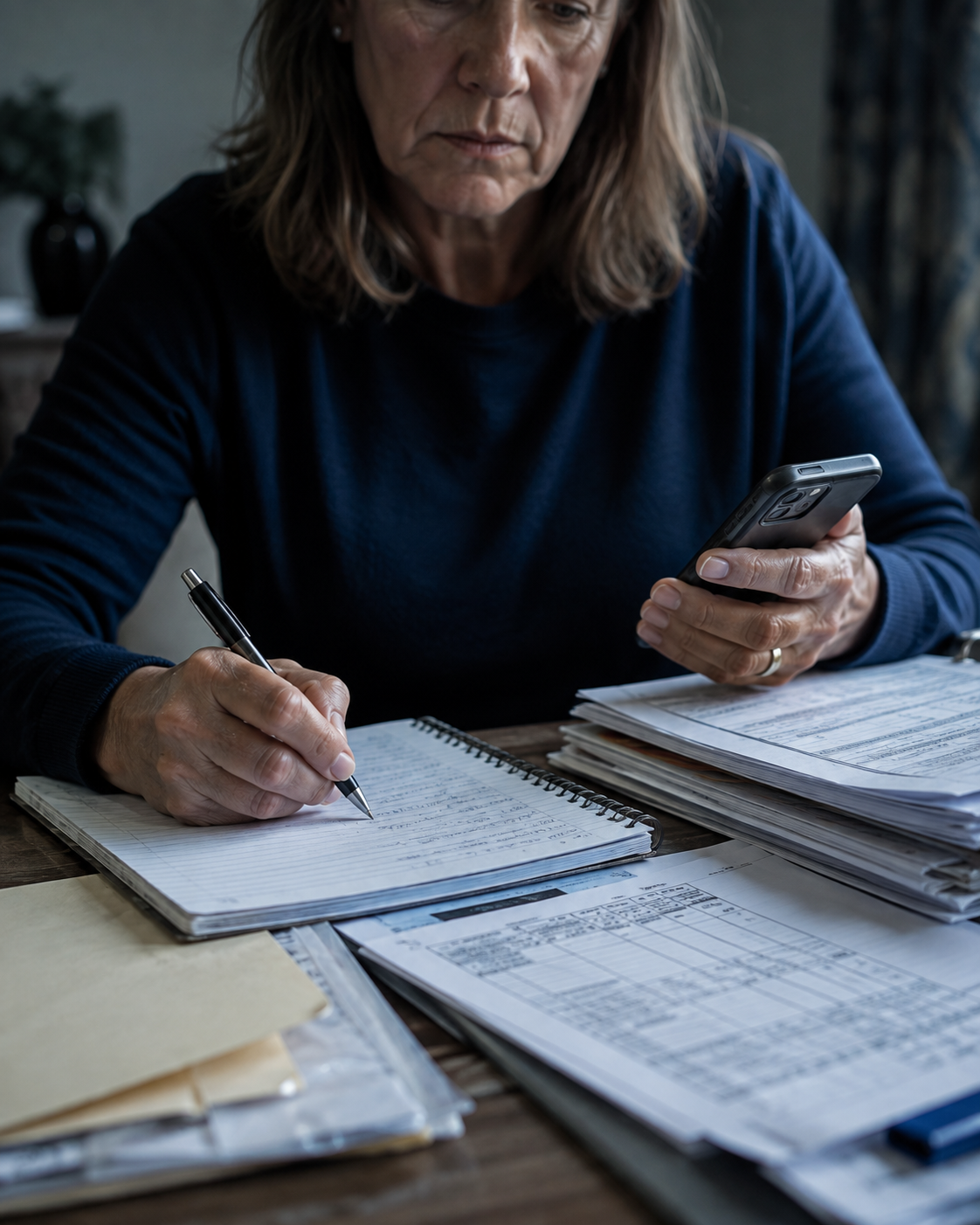
What to Do If You Think
Nursing Home Abuse is Going On
Realizing that a loved one might be experiencing abuse or neglect in a nursing home can be a really tough and emotional place to be. Lots of families are dealing with feelings of anger, guilt, confusion, and worry about what to do next.
Every situation is different, but acting quickly when there is a suspected nursing home abuse can help protect your loved one from getting hurt again and preserve important evidence that might be needed during an investigation or a legal claim.
Even if you’re not 100% sure abuse has happened, it’s still super important to take your concerns seriously if you suspect abuse in the nursing home setting. If you suspect nursing home abuse or neglect in Chicago, consulting with a top-rated nursing home abuse attorney or a trusted nursing home abuse law firm in Chicago can be crucial.
Experienced Chicago nursing home abuse lawyers understand the complexities involved in these cases, including physical abuse, emotional abuse, and sexual abuse. They can guide you through the process of reporting nursing home abuse, gathering evidence, and pursuing a personal injury lawsuit to hold nursing home staff members and facilities accountable. Whether you need a Chicago nursing home physical abuse lawyer, a Chicago nursing home sexual abuse attorney, or help with emotional abuse claims, finding the right nursing home abuse attorneys in Chicago is essential to protect your loved one’s rights and ensure justice is served.
If you think nursing home abuse or neglect is going on, you might want to take the following steps.
Put your loved one's safety first
The health and safety of your loved one has got to be the top priority.
If you think they’re in immediate danger, do what you need to do to get them out of the situation as soon as possible. Depending on the circumstances, this might mean getting them to a hospital, moving them to a different care facility, or arranging some other kind of care until things get sorted out.Some families hold back because they don’t want to overreact. But if there’s a genuine concern that your loved one’s well-being is at risk, it’s usually better to err on the side of caution while you figure out what’s going on.
Taking action quickly can stop any further abuse and give you some peace of mind while things get sorted out.
Get a medical check-up
Getting your loved one some medical attention is usually one of the most important things to do after suspecting abuse or neglect.
A medical evaluation can help figure out what’s going on, diagnose any health complications, and make sure your loved one gets the treatment they need. It can also create some important medical records that might come in handy if things go to court.
Don’t worry if the injuries look minor; it’s still a good idea to get them checked out by a doctor. Some conditions, especially among older residents, might be more serious than they appear at first. Medical professionals may also spot signs of neglect or abuse that family members might not even catch at first.
Document any Evidence You Find
One of the best ways to help an investigation is to be meticulous about documenting any evidence of the suspected abuse.
Memories can start to fade fast, and things can change really quickly. The sooner you document stuff, the better you’ll be able to figure out what happened and when.
Here are some things you might want to document:
● Photos of any injuries
● Photos of the living conditions
● Medical records
● Info about the medication they’re on
● Names of the caregivers who were involved
● Dates and times of any incidents that occurred
● Statements from any witnesses
● Financial records
● Emails or letters you’ve written
Keeping a journal of your conversations with staff, your observations when you visit, and any concerns your loved one has raised can be a big help too.
The more information you can gather, the easier it’s going to be for investigators, the regulatory agencies, and the attorneys to make sense of what’s going on.
Report your Concerns
Knowing how to report nursing home abuse can help protect not only your loved one but also other residents who may be getting mistreated similarly.
A lot of the time, when nursing home abuse cases come to light, it turns out that there are problems with how the whole facility is run that affect a bunch of different residents.
Families can also contact the Illinois Department of Public Health, the state agency within the Illinois Department that oversees facility standards and resident safety.
When you make a report, the more detail you can provide, like dates, injuries, who was involved, and any supporting evidence, the better. This can help investigators get a clear picture of what’s going on and figure out what they need to do.
It’s a good idea to keep copies of any reports you submit and keep a record of your communications with investigators and the facility.
Get in Touch with an Attorney
If you think your loved one has been abused or neglected in a nursing home, experienced nursing home lawyers can advise families after suspected abuse and help them understand what to do next. Nursing home abuse cases can be a real mess, and figuring out what happened often takes some detective work.
At the Chicago Nursing Home Abuse Law Group, our attorneys can help review your situation, explain what your options are, and help protect your loved one’s rights. Even if you’re not totally sure if any abuse occurred or you think you might not have enough evidence, we can help you figure out what to do and what the next steps should be.
When you get in touch with us, we can:
● Investigate the allegations of abuse or neglect
● Get medical and facility records
● Talk to witnesses
● Identify the people who might be responsible
● Make sure any important evidence is safe
● Talk to insurance companies
● Work out how much damage might have been done
● Help negotiate a settlement or go to court for you
The sooner you get in touch, the sooner we can get started on protecting your loved one and building a strong case.
How Our Chicago Nursing Home Abuse Attorneys Can Help
When a family finds out that a loved one may have been abused or neglected in a nursing home, they often have way more questions than answers. What happened? Who was responsible? Could the abuse have been prevented? And most importantly, what can be done to keep your loved one safe going forward?
Getting those answers is rarely easy. Nursing homes and their insurance companies usually have a lot of resources, a lot of documentation, and a whole team of lawyers working to protect their interests. Families, on the other hand, may be trying to navigate a complex situation while dealing with the emotional fallout of finding out that someone they care about has been hurt.
Our attorneys at the Chicago Nursing Home Abuse Law Group work to get to the bottom of things, hold anyone who was negligent accountable, and help families seek justice for victims. From the initial investigation through to negotiation or trial, we’ll be with you every step of the way.
If you think your loved one has suffered abuse or neglect, get in touch with the Chicago Nursing Home Abuse Law Group at (312) 555-8742 to schedule a free consultation.

Investigate the Nursing Home
You can’t build a successful nursing home abuse case without doing a thorough investigation.
While families may notice warning signs like injuries, behavioral changes, or a decline in health, figuring out exactly what happened often means looking deeper at the way the facility operates and the records they keep.
Our attorneys are going to investigate nursing homes to look for any evidence of misconduct, negligence, understaffing, inadequate supervision, or policy violations that might have contributed to the harm suffered by a resident. We take the same approach when abuse happens in an assisted living facility.
An investigation might involve reviewing:
● The facility’s policies and procedures
● Staffing records
● Employee training records
● Incident reports
● Inspection reports
● Internal complaints
● Any regulatory violations
● Surveillance footage, if that’s available
By digging up the facts, we can get a better idea of how the abuse happened and who might be responsible.
Get Medical Records
Medical records are often a key piece of evidence in a nursing home abuse case.
These records can help figure out a resident’s condition before and after the alleged abuse, identify injuries, document the treatment they received, and show whether caregivers failed to meet acceptable standards of care.
Our legal team will work to get and analyze the most relevant medical documentation, including:
● Hospital records
● Nursing home records
● Physican reports
● Medication administration records
● Treatment plans
● Test results
Medical documentation can help show the extent of the harm suffered and provide valuable support for a legal claim.
Talk to Witnesses
Any witness testimony can provide valuable insight into what went on inside a nursing home facility.
Interview Witnesses
Witness testimony can provide critical insight into what occurred inside a nursing home facility. In some instances, there may be staff members, residents, visitors, contractors, or even former employees who have info that can help figure out why abuse or neglect happened in the first place. They might have seen things first-hand or simply picked up on some patterns of behaviour that suggest things aren’t right at the facility.
These interviews can really help paint a clearer picture of what went wrong and beef up the evidence supporting the claim.
Consult Experts
A lot of nursing home abuse cases involve some pretty complex medical, healthcare, and long-term care issues that need some serious expertise to navigate.
To get the whole story about what happened, our attorneys are often working with top-notch experts who can review the evidence and give their professional opinion on the quality of care that was provided.
Depending on the situation, these experts might be able to help with things like:
● Going over the medical records
● Working out whether the standards of care were met or not
● Assessing the severity of any injuries your loved one might have suffered
● Finding out what caused any pressure sores that they might have developed
● Reviewing any medication errors that happened
● Looking into how the facility is run and how staff are managed
Expert testimony can be especially valuable when the nursing home is trying to argue that the injuries your loved one suffered were just a result of age, illness, or some pre-existing condition, rather than abuse or neglect.
Negotiate Settlements
A lot of nursing home abuse cases are resolved through settlement negotiations, rather than going all the way to trial.
However, getting a fair settlement often requires having a rock-solid case, being thoroughly prepared, and having some serious advocacy skills. The nursing home and its insurance company may try to talk their way out of accepting responsibility, or offer a settlement that doesn’t come close to reflecting the harm that was caused.Our attorneys are built for battle when it comes to negotiating settlements that will help our clients get the compensation they need, including:
- Medical bills
- Ongoing medical care
- Pain and suffering
- Emotional distress
- Costs associated with having to move your loved one to a different facility
- Losses you’ve incurred as a result of the abuse
- Wrongful death damages, if applicable
Throughout the whole process, we keep you and your family fully informed and help you make the decisions that will be in your best interests.
Represent You in Court
While some cases can settle, others may need to go to trial to get the fair outcome that you deserve.
If the nursing home is refusing to accept responsibility or offer a fair settlement, our attorneys are ready to take the case to court. Going to trial can be a way to get some real accountability when the settlement negotiations don’t work out.
Our trial representation includes:
● Filing the initial lawsuit
● Going through the discovery process
● Taking depositions from key witnesses
● Putting together the evidence and witnesses for the trial
● Examining the other side’s witnesses
● Working with expert witnesses on your behalf
● Representing you and your family in front of a judge and jury
We prepare every case as if it’s going to go to trial, so we know we’re ready to go all the way with you.
If you think a nursing home has failed to provide the care that your loved one needs, then contact the Chicago Nursing Home Abuse Law Group today at (312) 555-8742 or send us a message online to book a free consultation. We’ll be happy to review your situation, answer any questions you may have, and walk you through the options that are available to your family.
Compensation Available in Nursing Home Abuse Cases
While no amount of compensation is ever going to erase the pain that nursing home abuse or neglect can cause, a successful claim can at least help ease the financial burden on the family and hold the people responsible accountable for their actions. The amount of compensation available in a case like this will depend on a number of factors, including the severity of any injuries, the impact that the abuse has had on your loved one’s quality of life, the cost of any medical treatment they’ve needed, and whether the abuse has left them with any permanent disabilities or even resulted in their death. At the Chicago Nursing Home Abuse Law Group, we take a close look at every detail of your case to make sure you get the maximum compensation possible under Illinois law.
Medical Expenses:
Victims of nursing home abuse often need extra medical treatment to deal with injuries caused by physical abuse, neglect, medication errors, or poor care. Compensation may cover emergency room visits, hospital stays, surgery, prescription medication, physical therapy, rehabilitation, specialist consultations, and ongoing medical care.
Pain and Suffering:
Not all losses are financial. Pain and suffering damages compensate for physical discomfort, physical limitations, chronic pain, and reduced quality of life.
Emotional Distress:
The emotional toll of abuse can be profound. Victims may experience anxiety, depression, fear, humiliation, sleep disturbances, and a loss of trust in caregivers. Compensation acknowledges the long-term impact on mental health.
Relocation Costs:
When abuse occurs, families often must move their loved one to another facility. Recoverable expenses can include transfer fees, transportation costs, new admission expenses, and increased care fees.
Wrongful Death Damages:
If a resident passes away due to preventable neglect, abuse, medical error, malnutrition, or falls, surviving family members may pursue a wrongful death claim to recover funeral and burial costs, pre-death medical expenses, and emotional/financial losses.

Why Choose Our Chicago Nursing Home Abuse Law Group
Finding the right attorney to guide you through a nursing home abuse case can make all the difference in the outcome.
Here at Chicago Nursing Home Abuse Law Group, we understand the emotional and financial struggles that families face when a loved one has been harmed in a care facility. We’re committed to offering compassionate guidance and our full weight of aggressive legal representation throughout the process.
Experience
Nursing home abuse cases involve complex medical records, strict healthcare regulations, and numerous legal complexities.
Our team of experienced attorneys has extensive experience handling cases involving:
● physical abuse
● emotional abuse
● sexual abuse
● financial exploitation
● neglect
● medical negligence
● wrongful death
We know how nursing home abuse cases are investigated and what evidence is needed to build a strong case on behalf of our clients.
Case Results
Every case is unique, with its own set of facts and circumstances. Our firm consistently pursues favorable outcomes for victims and their families, preparing each case as thoroughly as possible and fighting for the compensation our clients deserve.
Client-Centric Approach
We believe every client deserves the personal attention and straightforward, honest communication that they need during an already difficult time.
When you work with us, you can expect:
● regular case updates, so you always know what’s going on
● prompt responses to your questions
● compassionate support and understanding
● clear explanations of your legal options
● dedicated and aggressive advocacy throughout the entire process
Our goal is to make the legal process as stress free and straightforward as possible for you.
No Fee Until We Win
We never want our clients to have to worry about legal costs while they’re seeking justice for a loved one.
That is why we work on a contingency fee basis. You pay nothing upfront and we only receive our attorney’s fees if we successfully recover compensation for you.
Frequently Asked Questions
The statute of limitations in Illinois determines how long you have to file certain types of claims. The time limit varies depending on the facts of the case and the type of claim.
Because waiting too long can potentially bar your ability to recover compensation, it’s crucial to talk to an experienced lawyer as soon as possible after discovering suspected abuse or neglect.
In nursing home abuse cases, the evidence that’s typically used includes:
● medical records from the care facility
● photos of any injuries the loved one sustained
● witness statements from those who saw the abuse
● records from the care facility itself
● inspection reports
● financial records of any payments made to the facility
● expert testimony from specialists in fields related to the injuries sustained
● any communications with nursing home staff that may be relevant
The specific evidence needed will vary, depending on the circumstances of the case.
Absolutely. Neglect is just as bad as intentional abuse; in some ways, it can even be worse. If a care facility fails to provide adequate care, resulting in injury or harm to your loved one, you may have grounds to pursue a lawsuit.
Unfortunately, every case is different, and it’s impossible to put a price on it beforehand.
The amount of compensation available will depend on factors such as:
● the severity of the injuries
● the medical expenses incurred by the family
● the emotional suffering of the family members
● any long-term effects that may be ongoing
● whether the abuse resulted in permanent disability or even death
We’ll assess the specific facts of your case and give you a more accurate idea of what to expect.
Chicago Nursing Home Abuse Law Group is proud to serve victims and families in the Chicago metropolitan area and surrounding communities.
Our service areas include:
● Chicago
● Cook County
● Evanston
● Oak Park
● Cicero
● Skokie
● Des Plaines
● Arlington Heights
● Schaumburg
● Naperville
● And many other nearby Illinois communities
If your loved one was abused or neglected in a care facility anywhere in the greater Chicago area, our team of experienced attorneys are here to help.
Our firm offers free consultations to families who are seeking a nursing home abuse lawyer. We work on a contingency fee basis, which means you pay nothing upfront and we only get paid if we recover compensation on your behalf.
Contact Form
Contact Chicago Nursing Home Abuse Law Group
If you suspect that a loved one has been a victim of abuse or neglect, don’t put it off any longer, contact us for a free consultation.
The sooner we start investigating, the better chance we’ll have of preserving evidence, helping your loved one, and pursuing accountability against those responsible.
Chicago Nursing Home Abuse Law Group is here to help you every step of the way through this difficult process. Give us a ring at (312) 555-8742. We’re here to help 24/7, our team is on hand every day of the week to have a chat about your worries, explain your legal choices, and offer you all the guidance you need.
You can also just fill out our online contact form if that’s easier, and one of us will be in touch as soon as we can to line up a meeting to go over the details of your situation in a completely free and confidential case review.
We want to help you get to the truth, look out for your loved ones, and sort out the justice your family is rightfully owed.